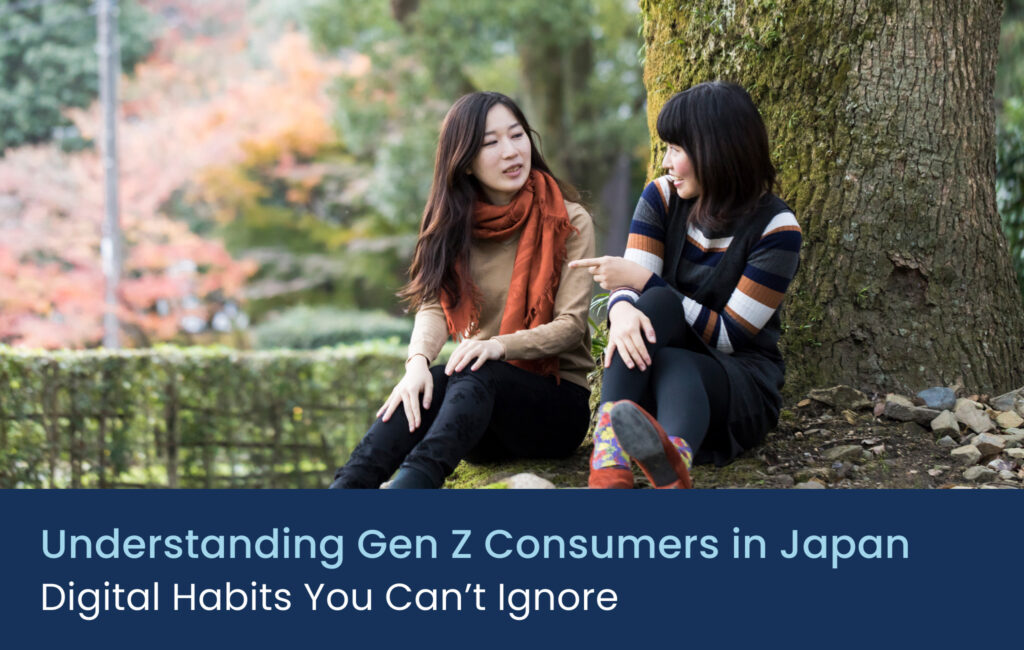
Every generation reshapes the market it enters. Gen Z in Japan, broadly defined as those born between 1997 and 2012, is now doing exactly that. They are entering their peak spending years, building brand preferences, and making purchasing decisions in ways that are fundamentally different from the generations before them.
For marketers, this is both an opportunity and a test. Brands that take the time to understand Gen Z’s digital habits, values, and expectations now are in a position to build the kind of loyalty that lasts. Those that ignore the shift, or assume that existing strategies will translate, are already falling behind.
Three things set this generation apart. They are mobile-first in the truest sense, meaning the phone is not one screen among many but the primary interface for discovery, research, and purchase. They are value-driven in ways that are difficult to fake, expecting the brands they buy from to actually stand for something. And they are skeptical of traditional advertising in a way that requires marketers to rethink both where and how they show up.
Understanding these differences is not a creative exercise. It is a strategic necessity.
Digital Platforms Gen Z Prefers
Platform choice in Japan follows a clear pattern among Gen Z, and it does not look like the media mix that worked five years ago.
According to Statista’s Japan social media data, YouTube consistently ranks among the most widely used platforms across all age groups, with particularly strong engagement among younger demographics. It remains the go-to channel for product reviews, tutorials, and creator commentary before a purchase decision is made.
TikTok has become the dominant discovery platform for Gen Z specifically. TikTok’s own business resources for Japan show that the platform has moved well beyond entertainment and is now a primary channel for trend adoption and product discovery among younger users, with reach among Japanese Gen Z approaching one in two.
Instagram remains essential for lifestyle, beauty, and fashion categories. Its Reels format has aligned it closely with TikTok’s content rhythm, and its combination of visual storytelling and in-app shopping makes it effective at both inspiration and conversion.
LINE occupies a different but equally important position. As Japan’s dominant messaging platform with 97 million monthly active users as of 2024, covering roughly 78% of the population, it functions less as a discovery channel and more as a direct communication layer. For brands, LINE’s real value lies in loyalty programs, personalized promotions, and in-app commerce through its official account features.
Content Formats That Engage
Knowing which platforms Gen Z uses is only half the picture. Format matters just as much.
Short-form video is the dominant format by a significant margin. Content that communicates quickly, entertains genuinely, and does not feel like advertising consistently outperforms polished brand productions. According to insights from the TikTok Creative Center, campaigns built around creator authenticity rather than brand messaging outperform in both recall and action metrics among Gen Z.
Interactive formats, such as polls, Q&A stickers, and live streams with real-time comments, create the two-way dynamic this generation expects. User-generated content is one of the most underused tools available. When real customers post authentically, it lands harder than anything produced in a studio.
Influencer collaborations remain highly trusted, but the dynamics have shifted. Research from Influencer Marketing Hub highlights that micro and nano-influencers consistently drive stronger engagement and conversion than large-reach alternatives, because their audiences are loyal and self-selecting. This is especially true in Japan, where authenticity and long-term trust outweigh follower counts.
This is reinforced by IZEA’s 2025 Trust in Influencer Marketing report, which finds that consumers consistently rank recommendations from creators they follow among their most trusted sources of product information, well ahead of traditional advertising formats.
A well-documented example is the Maybelline TikTok creator campaign. By deploying a network of creators producing native-style content rather than centralized brand video, the campaign reached 22 million views and generated measurable lifts in both click-through and engagement rates. It succeeded precisely because it did not look like advertising.
How Gen Z Discovers and Evaluates Brands
For Gen Z, the purchase journey begins in a feed, not a search bar. Research from Kadence on Japan’s digital landscape confirms that younger Japanese consumers increasingly use short-form video as their first point of contact with a product, often before visiting a brand’s website.
Once interest is established, Gen Z moves into a thorough, peer-driven evaluation phase. Reviews matter enormously. They cross-reference comments, community posts, and UGC to validate what a creator has shown them, and they do this across multiple platforms at once. Research on Japanese consumer behaviour from Digital Marketing for Asia reinforces that friction in the purchase journey disproportionately affects younger shoppers, who have more alternatives and less patience than older demographics.
This has direct infrastructure implications. A mobile-unfriendly site, a slow checkout, or confusing navigation breaks the chain at exactly the wrong moment. Clear calls to action and frictionless mobile e-commerce are not finishing touches. They are requirements.
According to Deloitte’s Gen Z and Millennial research, this generation is also more likely to abandon brands that cannot meet their expectations for a seamless, personalized digital experience, making the quality of post-discovery touchpoints just as important as the discovery itself.
Values and Expectations
Understanding where Gen Z spends time is necessary. Understanding what they actually care about is what separates effective campaigns from forgettable ones.
The Deloitte Gen Z and Millennial Survey consistently finds that sustainability, mental health, and purpose rank among Gen Z’s top concerns globally, and this shapes their consumer behavior as directly as their workplace preferences. Around 40% have rejected employers or opportunities that conflicted with their personal ethics, and the same logic applies to the brands they buy from.
Authenticity is the single most important signal. Gen Z can identify performative brand behavior quickly, and the backlash when a campaign feels hollow or opportunistic is swift and public. Showing up during awareness months without evidence of year-round commitment is noticed.
Hakuhodo’s Gen Z commerce research (in Japanese) points to a strong preference among Japanese Gen Z for brands that demonstrate transparency and genuine values alignment, with over half of respondents more likely to trust individual voices and authentic recommendations than corporate messaging.
Research from the World Economic Forum on Japan’s evolving workplace culture also reflects a broader shift in how younger Japanese consumers evaluate the brands around them. There is a growing preference for companies that visibly respect work-life balance, mental health, and individual expression, not just in their products but in how they present themselves publicly. Employer branding, social tone, and campaign values all need to align.
Common Mistakes to Avoid
Even experienced marketing teams fall into familiar traps with this demographic.
- Overly corporate tone. Formal, approval-heavy language lands flat. Gen Z responds to direct, human-sounding communication.
- Repurposing content across platforms without adapting it. Each platform has its own culture, pacing, and visual language. Content that ignores this signals immediately that a brand does not understand the spaces Gen Z inhabits.
- Applying a Millennial playbook. The platforms, trust signals, content expectations, and values differ enough to require deliberate adaptation, not minor tweaking.
- Ignoring the community. Gen Z is shaped by peer validation and niche communities. Brands that participate authentically build credibility faster than those running campaigns from the outside.
Quick Wins and Long-Term Strategies
For teams ready to move, there are immediate actions that can build momentum without requiring large budgets.
Testing TikTok and Instagram Reels content is the natural starting point. Even modest investment in creator collaborations or platform-native video formats generates useful data quickly. Actively encouraging customers to post and share their UGC through brand channels creates authenticity signals at scale. Partnering with micro-influencers, particularly those with strong Japan-specific followings in relevant categories, delivers better engagement efficiency than broad-reach placements.
Over the longer term, the brands that win with Gen Z in Japan will be those that invest consistently rather than in isolated campaigns. Building a recognizable identity across platforms, integrating personalization into LINE and on-site experiences, maintaining mobile UX that keeps pace with user expectations, and running ongoing social listening to stay ahead of trends are operating practices, not one-time projects.
Checklist for Brands Targeting Gen Z in Japan
Before any campaign goes live, it is worth asking a few direct questions.
- Are we active on TikTok, Instagram, YouTube, and LINE in ways that match each platform’s culture?
- Is our content mobile-first and legible within the first few seconds?
- Are we working with authentic voices, including micro-influencers and real customers, rather than relying entirely on brand-produced content?
- Are we tracking engagement across platforms and adjusting content based on what the data shows?
- Are our brand values communicated clearly and consistently, backed by actual brand behavior?
If the honest answer to any of these is no, that is the place to start.Reaching Gen Z in Japan takes more than a presence on the right platforms. It requires a genuine understanding of how this generation discovers brands, evaluates them, and decides whether they are worth trusting. For marketing teams ready to build a smarter approach to Gen Z engagement in Japan, Netwise would be glad to help.